Mapping a Confident Path Through Today’s Dealer Options
Start by defining the scope of your search, because clarity anchors better decisions. Determine how you’ll use the vehicle, who will drive it, and what ownership horizon you expect. Outline needs like towing, commuting, or cargo, then buffer for future changes. With these priorities, you can filter inventory types, financing routes, and service arrangements without being swayed by impulse or limited-time chatter.
Meanwhile, assess the local dealer landscape for depth of inventory and after-sale capacity. A store that supports both parts availability and repair throughput often shortens downtime across the vehicle’s lifecycle. Verify service hours, technician certifications, and scheduling lead times. Ask how warranty work is triaged versus routine maintenance, and document their turnaround expectations so you can calibrate your ownership plan around real service windows.
Beyond that, refine your shortlist by comparing vehicle condition categories and reconditioning standards. Inspect how vehicles are staged, cleaned, and photographed; presentation often mirrors back-of-house rigor. In practice, a transparent inspection sheet with line-item notes signals disciplined processes. Validate that safety-related work was completed prior to listing, and confirm access to maintenance histories that help you sequence upcoming services before they become urgent.
However, financing structure strongly influences total cost, so analyze more than the monthly payment. Align term length with expected usage and resale plans, then verify prepayment policies and ancillary product coverage windows. If you anticipate heavy mileage, document how wear-and-tear items intersect with coverage. Ask dealers to break out taxes and fees so you can compare apples-to-apples and avoid surprises during the delivery phase.
Often, trade-in strategy can unlock value when timed well. Inspect market trends on your current vehicle’s segment and validate offers with multiple appraisals. Then, decide whether to sell outright or fold equity into the next purchase. Sequence this step before finalizing financing so you understand how equity affects down payment, rate options, and protection products, minimizing last-minute rework.
Then, evaluate parts support and repair scheduling as ongoing pillars of ownership. A dealer with ready access to common components reduces delays. Ask how they source backordered items and whether alternative parts pathways exist. Maintain a simple log of service visits and parts replacements, and document recurring concerns. That record helps technicians phase diagnostics and prevents duplicated work across subsequent appointments.
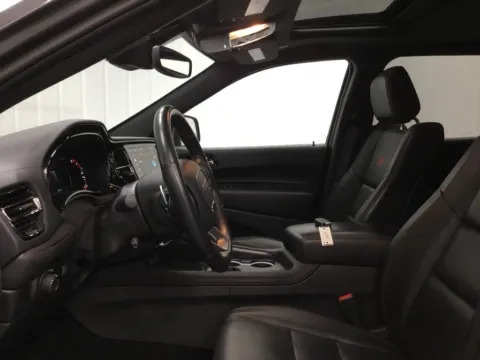
Finally, test-drive planning benefits from a structured route and clear evaluation criteria. Stage a loop that includes highway, stop-and-go, and rough pavement to reveal noise, braking, and steering feel. Inspect visibility zones, infotainment responsiveness, and cabin ergonomics. Validate that driver-assistance settings match your preferences, and record impressions immediately. With disciplined notes, you can compare candidates objectively and minimize bias from the most recent drive.
Next, explore both new and used cars through the lens of lifecycle costs. While warranty coverage and technology may tilt you toward newer options, ownership math includes depreciation, insurance, fuel type, and maintenance cadence. Calibrate for your mileage pattern and storage conditions. If you’re mixing city and highway miles, refine tire and brake expectations accordingly and budget for wear items on a realistic interval.
Meanwhile, delivery day should feel like a final inspection rather than a formality. Verify VINs across documents, validate agreed pricing elements, and inspect fluid levels, tire condition, and key fobs. Ask for a walkthrough of maintenance intervals and service booking methods. Document any we-owe items in writing, with clear timing. This handoff discipline protects both parties and sets a baseline for future service interactions.
In summary, a strong dealer partnership rests on process, transparency, and lifecycle support. When you align needs, verify service depth, and validate financing terms, decisions become simpler and more durable. Keep records, schedule proactive inspections, and refine your plan as your usage evolves. With a steady framework, you can navigate choices confidently and maintain value across the span of ownership.